
Materials Engineering IMAT
Materials Engineering : master the matter!
Objectives
The Toulouse INP-ENSIACET "Materials Engineering" major aims to train engineers that can act in the development and optimization of the properties of new products or of systems constituted by metallic, polymer, ceramic materials with a micro or nanostructure, and their composites.
The field of action of the materials engineer consists in the estimation of the life span of new or traditional materials or ageing systems, the analysis and the establishment of models for the implementation of processes or the optimization of functional properties. The sustainability of today’s scientific and technical heritage is also a major target of the curriculum.
Training provided by Toulouse INP-ENSIACET prepares the engineering students to manage interdisciplinary projects.
Features
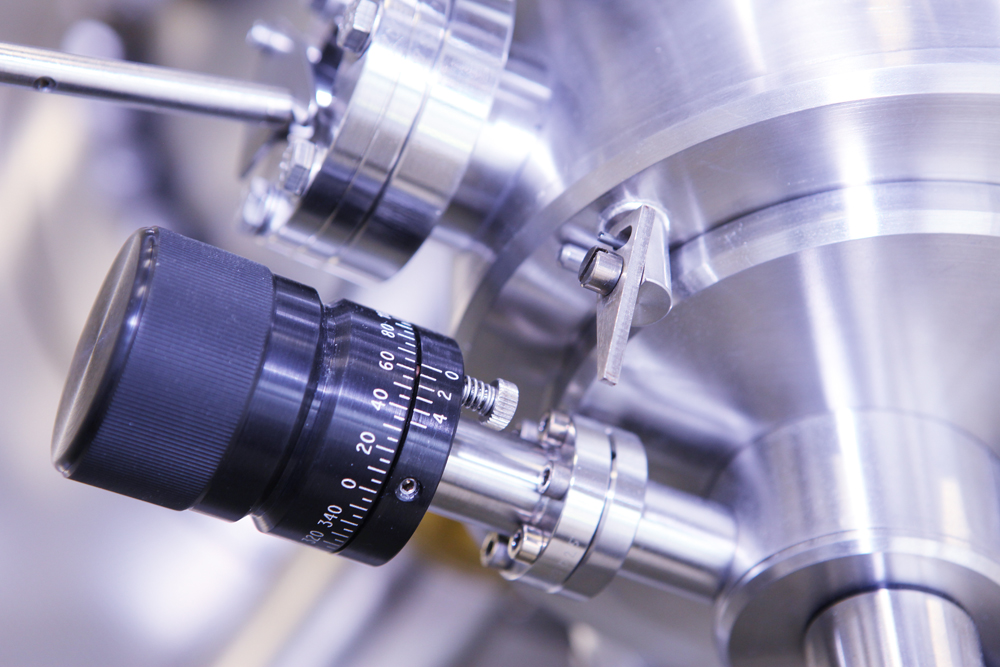
- A broad and comprehensive view of the different materials.
- An interdisciplinary course for additional skills (physics, chemistry, mechanics, engineering sciences, etc.).
- A course focused on innovation linked to applied and industrial research.
- Lab work based on case studies and group projects.
- Numerous job prospects in dynamic and leading industries (aeronautics, energy, plastics manufacturing, transport, health, metallurgy, environment, electronics, etc.).
Skills
- Know the different families of materials: metallic, polymer, ceramic and their composites.
- Master the creation and the development of materials to optimize their manufacturing process and their functional properties.
- Understand the key role of the links between microstructure and properties:
- To choose the relevant scales,
- To master the characterisation, modelling and simulation tools.
- Get a comprehensive view of materials throughout their life cycle, with a multi-scale and multi-field approach.
- Anticipate and control the evolution of operating materials (mechanical, thermal and environmental stress, sustainability, reactivity).
Course subjects
Percentage of subjects
|
31% |
Materials |
|---|---|
|
|
Physical and chemical characterization of microstructures, Materials resistance and mechanical behaviour, Materials creation, development and assembly process, properties-product-process links, Corrosion. |
|
18% |
Chemistry |
|
Theoretical, Polymers, Inorganic solids, analytical methods | |
|
14% |
Modeling/Simulation |
|
6% |
Thermodynamics |
|
14% |
Processes |
|
17% |
Humanities |
|
Skills in engineering, English, Physical Education, Economical and social science, Conferences |
Societal impact
Contribution to society
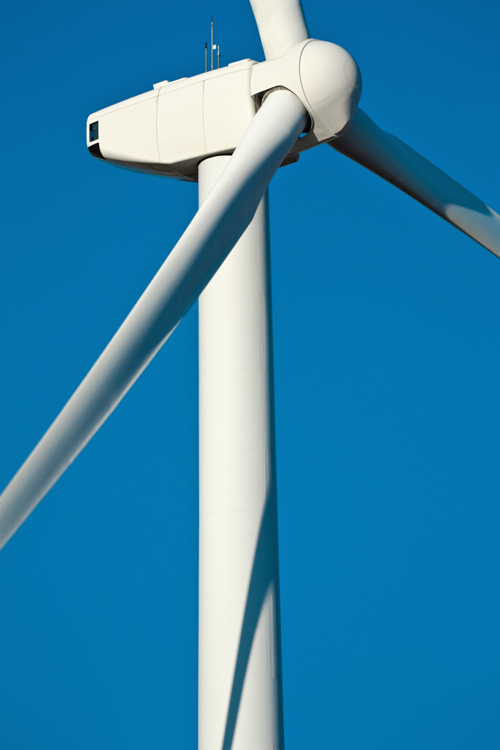
Wind turbines materials © Getty Images
- Development of new products which are more efficient, more economical, more respectful of the environment.
- A sustainable approach to the optimization of materials shaping and transformation processes.
- Safety and reliability of the systems and structures.
- Design solutions for new structures.